

- 09 Oca, 2026
- 0 Comments
- 1 Min Read

New Fossils in Morocco May Be Our Oldest Ancestors
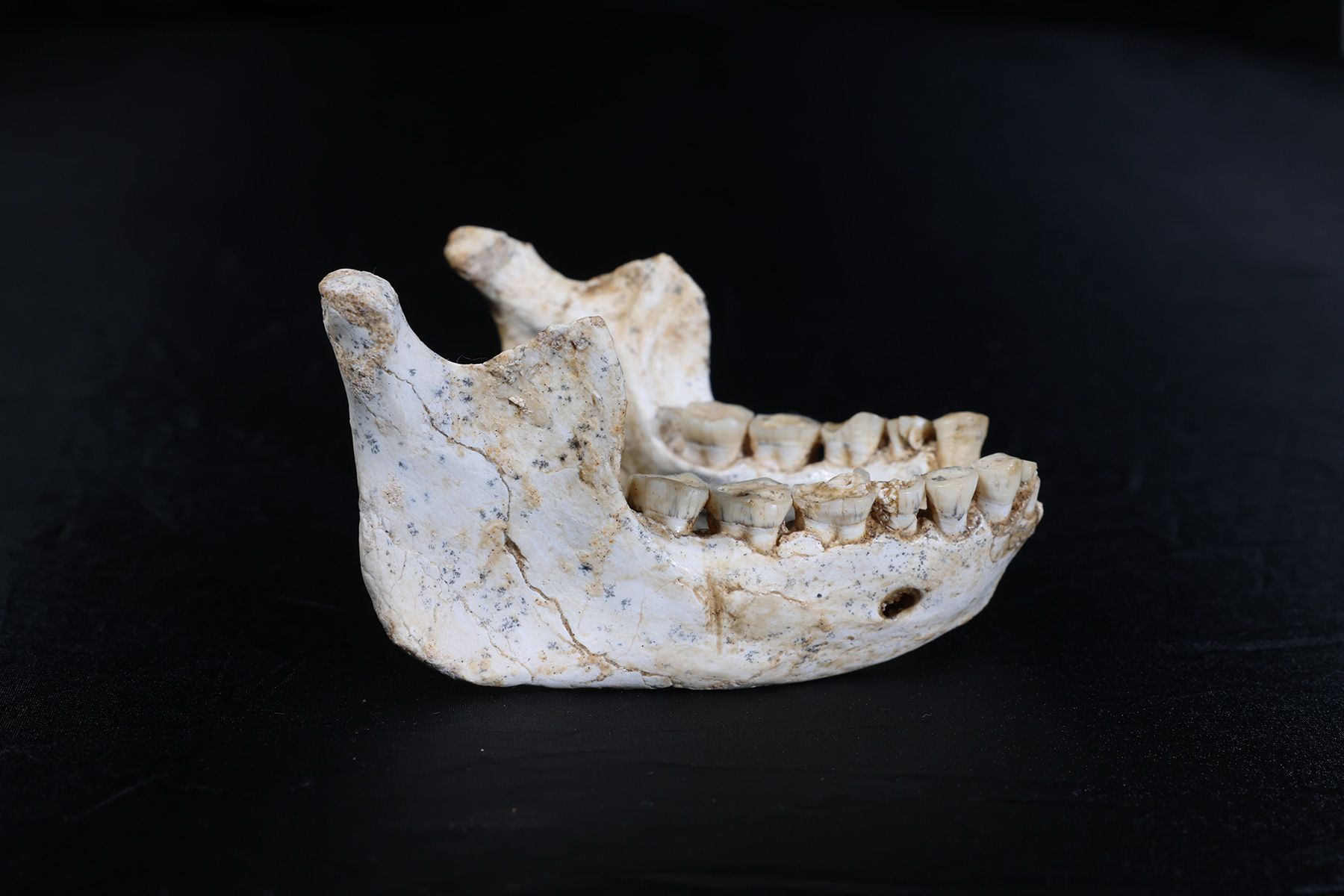
About 770,000 years ago, a group of early humans lived in a cave near Casablanca, Morocco. Recently, scientists found new fossils in this cave, including pieces of jaws and teeth. These bones might change the story of where humans come from. In a new report, researchers describe these remains from a very important time in history. It was the period when the ancestors of modern humans, known as Homo sapiens, were just starting to become different from other ancient groups, like the Neanderthals.
Before this discovery, many scientists thought our oldest common ancestor lived in Europe, based on fossils found in Spain called Homo antecessor. However, these new bones in Morocco are about 773,000 years old. This suggests that the family tree of modern humans might actually start in Northwest Africa. The team found jaw bones from two adults and one child, along with several teeth. Jean-Jacques Hublin, a leader of the study, was surprised because the adult jaw looked different from what he expected. It did not look like the Neanderthals found in Europe; instead, it had “primitive” features that connect it to Africa.
To find out how old the fossils were, scientists looked at the dirt and rocks around them using a special method involving Earth’s magnetic field. The Earth’s magnetic poles switch direction every few hundred thousand years. The soil in the cave showed signs of a switch that happened exactly 773,000 years ago, which proves the fossils are very old. Experts agree this is an exciting discovery, but the mystery of human origins is not fully solved. The time period between 1 million and 300,000 years ago is very complicated, often called the “muddle in the middle.” Even though there are still questions, Hublin said finding these bones was a moving experience because they represent human beings who once lived, moved, and died in a world that is now lost.